
Creating a compliant security system for a legal cannabis business is far more complicated than many legal cannabis operators (LCOs) expect. Rather than a one-and-done task, security is a continuous balancing act between meeting regulatory requirements and maintaining smooth, safe day-to-day operations. Building an effective and compliant system demands a layered, documented, and well-managed framework that holds up under intense scrutiny from regulators, insurance auditors, and real-world threats alike.
Many operators underestimate the scope of compliance until they are staring down fines, failed inspections, or the loss of licensure. Legal cannabis in California is one of the most heavily regulated consumer-facing industries, and navigating this landscape requires deep familiarity with what is both compliant and effective.
Documentation, Surveillance, and Audit Requirements
One of the most overlooked elements of cannabis security compliance is documentation. In California, the Department of Cannabis Control (DCC) requires licensees to maintain security-related records for at least 7 years.
This includes surveillance footage, access logs, system maintenance reports, and incident records, all of which must be immediately accessible during audits or inspections. Failure to retain and produce these records can result in fines starting at $1,001, with penalties escalating based on the harm caused, history of violations, and overall compliance standing.
Video surveillance systems must retain footage for a minimum of 90 days, though many experts recommend a 180-day window to ensure adequate coverage during investigations. The systems must also offer encrypted remote access, allowing regulators, business owners, and law enforcement to view footage securely when necessary. Remote access logs must also be maintained and made available upon request.
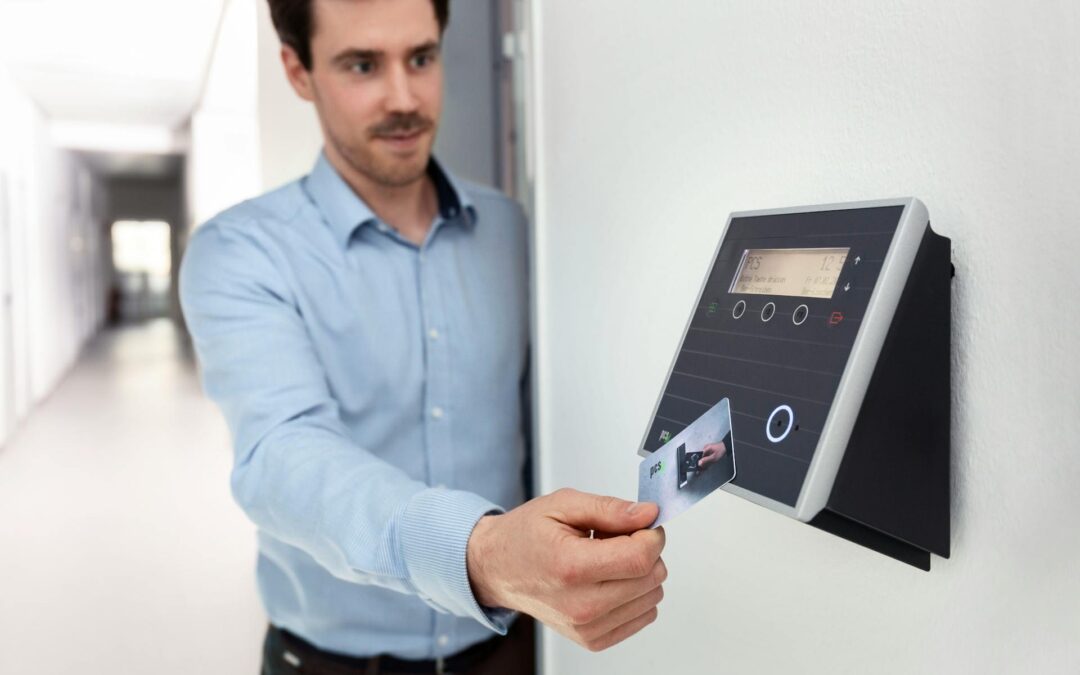
Access control systems require similarly detailed documentation. Every entry into a restricted area must be logged with an employee ID, time of entry and exit, duration of stay, and the specific zone accessed. These logs need to be cross-checked against employee schedules and exception reports to flag any irregular activity. Additionally, equipment maintenance logs must be kept up to date to prove that all systems are functioning as intended and have been regularly serviced.

What Goes Into A Compliant Cannabis Security Plan?
An effective security system is a cohesive framework of physical infrastructure, digital systems, and trained personnel that reinforce one another. Physical security elements provide the foundational layer, with elements like commercial-grade doors, UL 437-rated locks, reinforced walls and HVAC barriers, and ballistic glass for dispensary counters, protecting your employees and deterring the criminal element. Each of these physical features plays a role in preventing break-ins, securing valuable goods, and creating secure zones within the facility.
Equally important are the digital safeguards. Cannabis operators face rising cyber threats, particularly those handling medical records subject to HIPAA or state privacy laws. Network security, data encryption, and system access controls must be integrated into the broader security strategy. These measures are often mandated but are also critical in avoiding data breaches that could result in both regulatory action and civil litigation.
Human factors are both a business’s greatest strength and its most dangerous source of risk. Staff need to be trained in both physical security protocols and in more routine security activities, including handling sensitive data and auditing inventory reports. Emergency response plans, complete with assigned roles, communication chains, and step-by-step instructions, should be part of every business’s compliance toolkit.
The Value of Expert Security Partners
Given the sheer complexity of cannabis compliance, many businesses turn to general security vendors only to discover they lack the cannabis-specific knowledge needed to navigate the space. This leaves business owners trying to coordinate between multiple vendors who may not understand how their systems interact or what the law requires.
That’s where specialty contractors like Cannabis Compliant Security Solutions (CCSS) come in. Unlike traditional providers, CCSS specializes in security systems purpose-built for cannabis businesses. Our team understands how to integrate security elements that meet regulatory requirements, insurance stipulations, and practical operational needs.
Partnering with CCSS means gaining a dedicated ally in maintaining operational security while navigating one of the most complex regulatory environments in the U.S. Our holistic security plans are tailor-made to create the most effective security system possible while staying compliant, ensuring clients are well-protected even in the event of a loss from criminal activity. Best of all, we create protocols that leave employees and customers alike safer in the event of an emergency.
Instead of chasing compliance reactively, operators who work with experienced partners like CCSS can build proactive plans that protect hard-earned assets. Contact Cannabis Compliant Security Solutions today to explore how you can create an optimized security system for your business.


Recent Comments